


Returning to Florida for the winter means getting your home and property ready for another season.
Before settling back in, take some time to check for maintenance issues that may have developed while you were away, particularly around your waterfront property.
Your HVAC system, roof, gutters, pool, dock, boat lift, and seawall can all be affected by Florida's weather and the time your property spends unattended. A thorough inspection when you return can help you identify problems early and make sure your property is ready to enjoy for the season.
Use this checklist to work through the most important areas of your property before getting back to your normal routine.
Replace Your Air Filters
Your HVAC system works hard in Florida, especially during the warmer months. If your home has been closed up for several months, start by checking your air filters and making sure the system is operating properly.
Before settling back into your home:
- Check your HVAC filters and replace them if they are dirty.
- Make sure you are using the correct filter size and type.
- Check the manufacturer's recommendations for replacing your filters.
- Turn on your HVAC system and make sure it is cooling properly.
- Consider scheduling professional maintenance if the system has been unused for an extended period.
Starting with a clean filter and a properly functioning system can help keep your home comfortable as you settle back in for the season.
Clean and Inspect Your Gutters
Gutters and downspouts direct rainwater away from your roof, walls, and foundation. Leaves, branches, and other debris can collect while you are away, which can prevent water from draining properly.
When you return, check your gutters for:
- Leaves and other debris
- Standing water
- Cracks or leaks
- Loose or damaged sections
- Rust or corrosion
- Blocked or improperly positioned downspouts
Make sure water can move freely through the entire gutter system. If you find a problem, take care of it before the next major rainstorm.
Inspect Your Roof for Damage
Southwest Florida's weather can be tough on roofs, particularly during hurricane season. Some damage may not be immediately noticeable, so it is worth taking a closer look when you return.
From the ground, look for:
- Missing, cracked, or damaged shingles
- Damaged flashing around vents and other openings
- Signs of water intrusion
- Damaged seals or caulking
- Sagging or other visible concerns
If you notice something that does not look right, consider having your roof professionally inspected. Finding damage early gives you an opportunity to address it before it leads to a larger problem.
Clean Your Pool and Check the Water Chemistry
If you have a pool, it will likely need some attention before you start using it regularly again. Remove debris, check the water chemistry, and make sure the equipment is working properly.
Before getting back in the pool:
- Remove leaves, debris, and algae.
- Brush the walls and waterline.
- Check chlorine and pH levels.
- Test alkalinity and calcium hardness.
- Adjust the water chemistry as needed.
- Inspect the pump, filter, and other pool equipment.
- Make sure the water is circulating properly.
Proper water chemistry and functioning equipment will help keep your pool clean and ready to use throughout the season.
Inspect Your Dock
Your dock is exposed to water and weather year-round, so it should be one of the first things you check when you return to your waterfront property.
Walk the length of the dock and look for:
- Loose or damaged boards
- Wood rot or deterioration
- Rusted or corroded hardware
- Loose fasteners
- Damaged cleats
- Algae, barnacles, or other marine growth
- Signs of movement or structural damage
Pay particular attention to areas that stay exposed to water and moisture. If you notice damage or movement, have the dock inspected before using it regularly.
Taking care of smaller maintenance issues as they arise can help keep your dock safe and functional throughout the season.
Check Your Boat Lift Before Using It
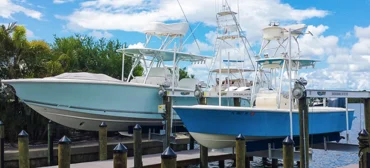
If your property has a boat lift, inspect it before putting your boat back on the lift. The lift may have been exposed to saltwater, moisture, storms, and corrosion while you were away.
Check the:
- Cables and pulleys
- Motor and electrical components
- Lift beams and brackets
- Hardware and connections
- Cables for signs of wear
- Components for rust or corrosion
- Overall operation of the lift
Operate the lift according to the manufacturer's recommendations and make sure everything is working as it should.
If you notice worn or damaged components, have them inspected before using the lift regularly. A problem with a lift can affect both the equipment and the boat it is supporting.
Examine Your Seawall
Your seawall is exposed to water and changing conditions throughout the year, making it another important part of your return-to-Florida checklist.
Walk along the seawall and look for:
- Cracks or gaps
- Soil erosion near the base
- Leaning or bulging sections
- Loose or displaced materials
- Changes in the area behind or in front of the wall
- Damage that may have occurred during storms
Pay attention to changes in the seawall or surrounding property that were not there when you left. Cracks, erosion, movement, or other signs of damage should be evaluated by a marine construction professional.
The sooner you know what is happening with your seawall, the more time you have to determine the appropriate next steps.
Complete a Final Property Walkthrough
Once you have worked through your main maintenance checks, take one final walk around the property before settling in for the season.
Look for anything that may need attention, including:
- Outdoor electrical fixtures and connections
- Exterior lighting
- Signs of water intrusion or moisture damage
- Landscaping and drainage issues
- Outdoor furniture or structures that may have been damaged
- Gates, locks, and other access points
- Signs of pests or unwanted activity
Taking a final walk around the property can help you spot anything that needs attention before you settle in for the season.
What Should You Do If You Find Waterfront Damage?
If you discover a problem with your dock, boat lift, or seawall, do not assume that a small issue will resolve itself. Waterfront structures are exposed to water, weather, and other conditions that can contribute to continued wear or damage.
The right next step will depend on what you find. You may need:
- A professional inspection
- Minor maintenance or repairs
- Replacement of damaged components
- Structural repairs
- A more detailed evaluation of the property
If you are unsure whether a crack, loose component, erosion, or another change requires attention, have it evaluated by a marine construction professional.
Addressing potential issues early can help prevent further damage and give you more time to understand your options, plan repairs, and keep your waterfront property ready to enjoy.
If you notice damage or concerns with your dock, boat lift, electrical components, or other waterfront structures, submit a service repair request so the Duncan Seawall team can take a closer look.
Frequently Asked Questions About Returning to Florida for Winter
What should snowbirds do when they return to Florida?
Snowbirds should inspect their home and property after returning to Florida, including the HVAC system, gutters, roof, pool, dock, boat lift, and seawall. Look for signs of storm damage, water intrusion, corrosion, erosion, or other issues that may have developed while the property was unattended.
What should I check on my waterfront property after being away for the summer?
Start with your dock, boat lift, and seawall. Look for cracks, corrosion, loose hardware, erosion, damaged boards, and other signs of wear or storm damage. If something looks different from when you left, have it checked before using the structure regularly.
How often should a seawall be inspected?
The appropriate inspection schedule depends on the seawall, its age, construction materials, location, and exposure to environmental conditions. Regular inspections can help identify erosion, cracking, movement, and other changes before they become more serious.
What should I check on my boat lift after being away?
Inspect the cables, pulleys, beams, brackets, hardware, motor, and electrical components. Look for corrosion, wear, or damage, and operate the lift according to the manufacturer's recommendations before putting your boat back on it.
Why should snowbirds inspect their seawall after hurricane season?
Storms can contribute to erosion, movement, cracking, and other changes around a seawall. Checking your seawall after severe weather can help you identify damage and determine whether it needs professional attention.
When should snowbirds schedule waterfront repairs?
If you notice a potential problem, schedule an inspection as soon as possible. Planning ahead gives you more time to understand the issue, determine the appropriate solution, and complete necessary work before you need to use your waterfront property regularly.
Get Your Waterfront Property Ready for the Season
Returning to Florida should be about enjoying your home and getting back on the water, not discovering unexpected maintenance problems.
From your dock and boat lift to your seawall and other waterfront structures, taking the time to inspect your property at the start of the season can help you identify problems before they interfere with your plans.
If you find an issue with your seawall, dock, or boat lift after returning to Florida, Duncan Seawall can help you determine what needs attention. Our team provides seawall, dock, boat lift, and marine construction services throughout Southwest Florida.
Contact Duncan Seawall to discuss your waterfront property and get your home ready for the season.