

Choosing the right marine contractor is one of the most important decisions for any waterfront property owner. Whether you are building a new dock, installing a boat lift, repairing a boardwalk, or protecting your shoreline with a seawall, the contractor you hire can directly impact the quality, durability, and long-term success of the project.
In this guide, we cover what to look for in a marine contractor, important questions to ask before hiring, and common red flags that can help you avoid problems during your project.
Factors to Consider When Choosing a Marine Contractor
Experience and Stability
When it comes to marine construction, experience matters. Look for a contractor with a proven track record and a stable team. A history of completed projects demonstrates reliability, consistency, and the ability to meet both timelines and quality expectations.
An experienced contractor understands how to build durable docks, seawalls, and boat lifts that can withstand coastal conditions over time.
Area of Specialization
Not all contractors are equipped for marine environments. It is important to choose a contractor who specializes in marine construction rather than general construction.
Marine contractors understand the unique challenges of working in and around water, including tides, soil conditions, and long-term exposure to the elements. This specialized knowledge leads to better results and longer-lasting structures.
Private vs. Public Marine Contractors
The ownership structure of a contractor can influence how projects are managed. Public companies may focus more on short-term efficiency, while private companies often prioritize long-term relationships, quality workmanship, and personalized service.
Adaptability
Marine construction projects often come with unexpected challenges. A qualified contractor should be able to adapt to changing conditions and keep the project moving forward without compromising quality.
Essential Questions to Ask When Choosing a Marine Contractor
Use these questions as a quick checklist when evaluating potential contractors:
- Are you licensed or bonded?
Verify licensing and bonding to ensure the contractor meets professional standards and provides protection if issues arise. - Will you complete the project or use subcontractors?
Understand who will be on-site and ensure all workers are qualified and experienced. - How much will the project cost?
Request a detailed written estimate with clear breakdowns to avoid unexpected expenses. - How will we communicate during the project?
Establish clear communication expectations and confirm contact details upfront. - Is a permit required for this project?
A qualified contractor should manage permits and ensure compliance with local regulations. - What are the steps involved in the project?
Ask for a timeline so you understand each phase from start to finish. - Do you have references I can contact?
Speak with past clients to confirm the contractor’s reliability and quality of work.
Red Flags to Beware Of
While searching for a marine contractor, be cautious if you encounter these red flags:
Demands upfront costs
Most reputable contractors ask for a reasonable deposit and then structure the remaining payments around project milestones. If a contractor asks for full payment before work begins, that can be a sign of poor business practices or a lack of accountability.
Provides unsubstantiated references
A trustworthy contractor should be able to provide recent references from clients with similar marine construction projects. If references seem outdated, unclear, or difficult to verify, it may be a sign that the contractor does not have a strong track record.
Avoids written contracts
A written contract helps protect both the contractor and the property owner by clearly outlining the project scope, costs, timeline, and responsibilities. If a contractor avoids putting details in writing, it can lead to confusion, disputes, or unexpected costs later on.
Unsubstantiated building permit requests
You shouldn't be responsible for pulling your own permit. If a contractor insists on this, it may mean they lack the proper licensing or want to avoid liability. A qualified contractor will be familiar with local regulations and secure the necessary permits themselves.
High-pressure sales tactics
Reliable contractors give property owners time to review estimates, ask questions, and make informed decisions. If someone pressures you to sign immediately or tries to create urgency with limited-time offers, it may be a sign to step back and look more carefully.
Why Work with Duncan Seawall
If you are planning a waterfront project in Sarasota, Manatee, Charlotte, Pinellas, or surrounding coastal areas, working with an experienced marine contractor is essential.
Duncan Seawall specializes in high-quality marine construction services, including seawalls, docks, boat lifts, and shoreline protection. With deep knowledge of Florida’s coastal conditions and permitting requirements, their team delivers durable, long-lasting solutions designed for performance and reliability.
Marine Contractor FAQs
What does a marine contractor do?
A marine contractor specializes in building and repairing waterfront structures such as seawalls, docks, boat lifts, and boardwalks. They understand coastal construction, water conditions, and local permitting requirements.
How do I choose a marine contractor?
Look for licensed and insured contractors with marine construction experience, a strong project portfolio, verified references, and knowledge of local regulations.
Do marine construction projects require permits?
Most marine construction projects require permits from local and environmental agencies. A qualified contractor should handle this process.
Why is experience important for marine construction?
Waterfront environments present unique challenges such as tides, erosion, and soil conditions. Experienced contractors know how to design and build structures that last.
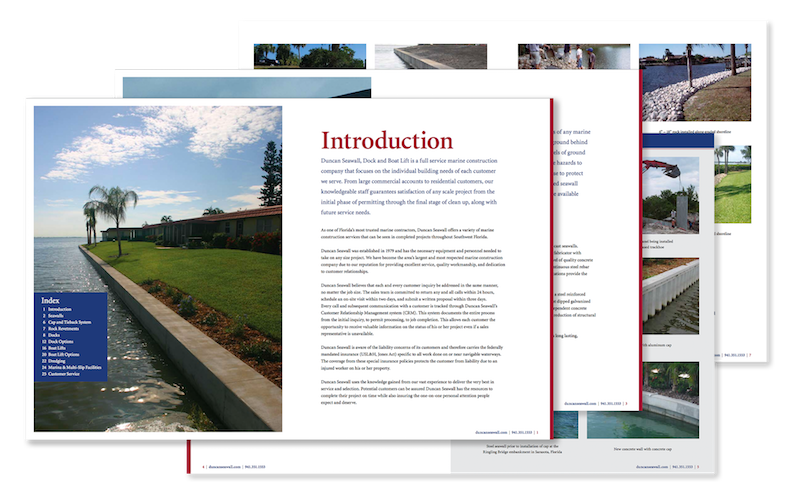
View our product catalog here or contact us to schedule a visit to our design center.