

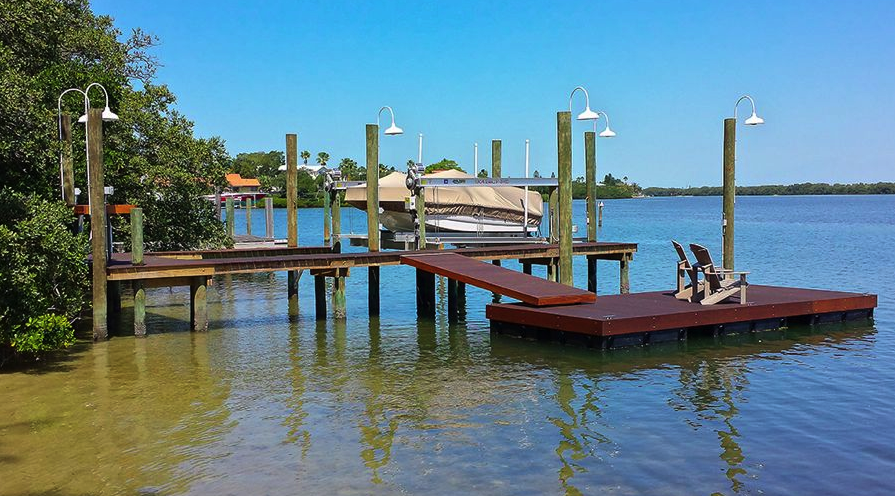
Owning waterfront property with a dock and boat requires responsibility to protect your investment. Here are some boat safety tips to help you keep your dock and boat lift in top condition. Regular maintenance and proper safety practices can help prevent costly damage while extending the life of your boat and dock. From checking equipment to securing your vessel correctly, taking a proactive approach can make a big difference over time.
Related Blog: How Much Does it Cost to Build a Dock?
Whether you’re preparing for everyday use or getting ready for changing weather conditions, these tips can help you maintain a safer and more reliable waterfront setup.
1. Cover Your Boat Properly
A basic tarp isn’t enough in Florida’s wind and humidity. A fitted, ventilated cover protects your boat from sun, moisture, and debris.
- Use a durable, weather-resistant cover
- Secure it before storms or high winds
- Choose ventilation to prevent mildew
2. Check Your Boat Lift Cables
Boat lift cables carry the full weight of your vessel; don’t ignore them.
- Inspect for fraying, rust, or weak spots
- Keep cables clean from dirt and debris
- Replace worn cables immediately
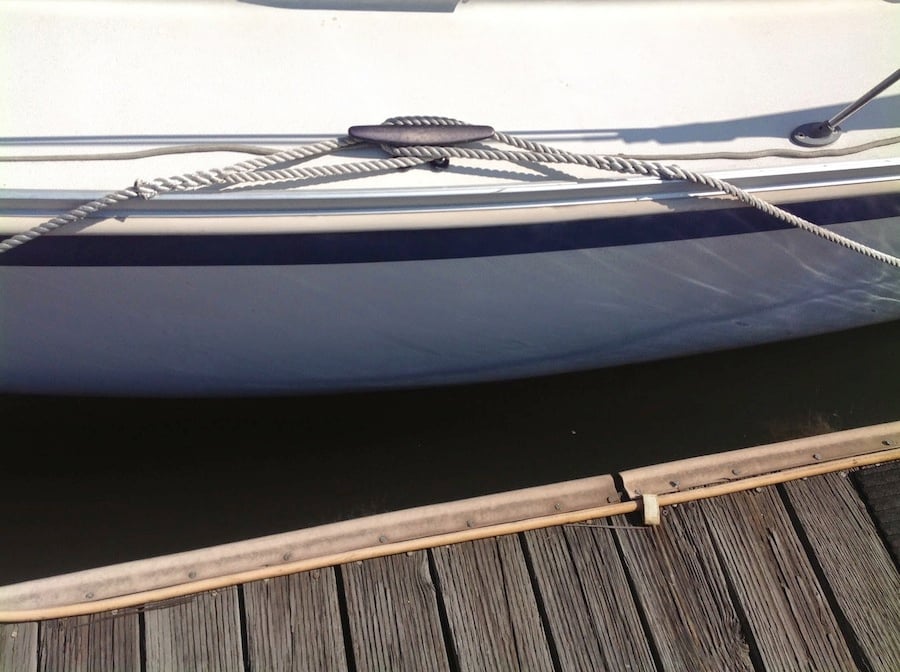
3. Use Secure Mooring Lines
Proper mooring keeps your boat stable and prevents drifting or impact damage.
- Use strong dock lines in good condition
- Secure lines to bolted cleats
- Allow slack for tides without over-loosening
4. Dock Slowly and Strategically
Rushing your approach is one of the easiest ways to cause damage.
- Approach slowly and at an angle
- Adjust for wind and tide conditions
- Line up before reaching the dock
5. Use Fenders to Prevent Damage
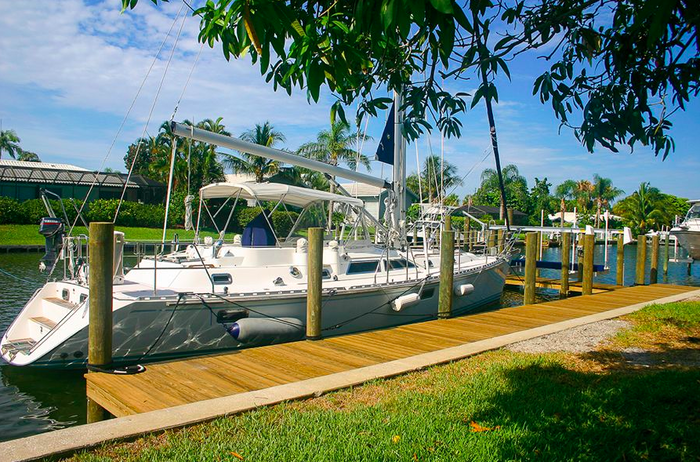
Fenders act as a cushion between your boat and dock.
- Place fenders at key contact points
- Adjust height based on dock level
- Never use hands or feet to stop impact
6. Learn a Reliable Knot (Bowline)
A bowline knot creates a secure loop that’s easy to untie when needed.
- Practice tying it before heading out
- Use it for strong, stable connections
- Ideal for quick-release situations
7. Test Your Marine Radio
A working radio is essential for emergencies and weather updates.
- Check antenna connections regularly
- Clean away corrosion
- Test functionality before each trip
8. Perform Regular Safety Checks
Routine inspections help catch small issues before they become expensive problems.
- Check lines, cleats, cables, and fenders
- Look for corrosion or wear
- Schedule seasonal inspections
You can also request a free safety check from the U.S. Coast Guard Auxiliary to ensure your setup meets current standards.
Protect Your Waterfront Investment
Duncan Seawall provides expert marine construction, repairs, and maintenance to help keep your waterfront property safe, secure, and built to last. Contact our team today for personalized guidance and reliable solutions.
Frequently Asked Questions
How often should I inspect my boat and dock for safety issues?
It’s a good idea to do a quick inspection before each use and a more detailed check at least once a season. Look for loose cleats, worn dock lines, damaged fenders, frayed lift cables, and any signs of corrosion.
Why are fenders important when docking a boat?
Fenders help cushion the boat if it makes contact with the dock. They can prevent scratches, dents, and damage during docking, especially when wind, waves, or current make landing more difficult.
What safety equipment should every boat have on board?
Every boat should have properly sized life jackets, a working radio or communication device, lights, a fire extinguisher, signaling devices, and any other required safety gear for the size and type of vessel.
How can boaters prevent damage during storms or high winds?
Before severe weather, boaters should secure or remove loose items, check dock lines, cover the boat properly, and make sure the boat is tied or lifted in a way that accounts for wind, waves, and changing water levels. For more hurricane preparation tips, check out our hurricane season checklist.