


Sea foam, also known as ocean spume, forms when wind and waves churn organic matter in seawater, creating bubbles along the shoreline.
Most sea foam is harmless, but it can sometimes contain pollutants or substances associated with harmful algal blooms. While sea foam typically doesn't cause significant damage to boats, docks, or seawalls, it may leave residue on exposed surfaces.
Along Southwest Florida's coastline, sea foam can collect around boats, dock pilings, and seawalls, particularly during periods of strong winds or rough water. Understanding what causes sea foam and how it can affect your waterfront property will help you know when to take action.
What Causes Sea Foam to Form?
Seawater naturally contains organic material from algae, plankton, and other marine life. When wind and waves stir up the water, these substances help create and stabilize the bubbles that form sea foam.
Several conditions contribute to sea foam formation:
- Wind and waves: Breaking waves mix air into seawater, producing bubbles that may gather along the shoreline.
- Organic matter: Decomposing algae and other marine organisms release substances that help foam last longer.
- Storms and changing tides: Increased water movement can carry foam toward docks, seawalls, and other shoreline structures.
- Algal blooms: Large amounts of algae can increase the organic material available for foam formation.
Sea foam can appear in small patches or larger accumulations, depending on the amount of organic matter and the conditions in the water.
Is Sea Foam Harmful?
Most naturally occurring sea foam is harmless, but some foam can contain pollutants or toxins associated with harmful algal blooms.
In Southwest Florida, red tide is one water-quality concern to be aware of. Certain harmful algal blooms can release toxins into the air through sea spray, potentially causing respiratory irritation.
Sea foam alone doesn't indicate a harmful algal bloom. However, there are a few warning signs that may indicate a water-quality problem:
- Unusual water color: Discolored water can sometimes indicate an algal bloom or another water-quality concern.
- Strong odors: Unpleasant smells may be associated with decaying organic material or contamination.
- Dead fish: Fish kills can occur during harmful algal blooms or other water-quality problems.
- Persistent foam: Large accumulations accompanied by other unusual conditions may warrant further investigation.
You can't determine whether sea foam is safe by looking at it. If you suspect a water-quality issue, avoid contact and check the latest reports from the Florida Fish and Wildlife Conservation Commission.
How Can Ocean Spume Affect Boats and Marine Equipment?
When sea foam collects along a boat's hull or waterline, organic material and other substances in the water may leave behind a film or residue that needs to be cleaned.
For boats, the main concern is keeping exposed surfaces clean and monitoring for signs of wear. Saltwater exposure, corrosion, and marine growth generally pose greater long-term risks than sea foam itself.
Boat lifts and other marine equipment also require regular attention. Components such as cables, fasteners, and metal hardware are exposed to moisture and saltwater, making routine inspections important.
To help protect your boat and marine equipment:
- Rinse exposed surfaces: Fresh water can help remove salt and residue after boating.
- Inspect metal components: Check boat lift cables, fasteners, and other exposed hardware for corrosion or wear.
- Remove accumulated debris: Clear floating debris from areas around your boat and lift when it is safe to do so.
- Limit prolonged water exposure: Keeping your boat out of the water when it's not in use can help reduce exposure to saltwater and marine growth.
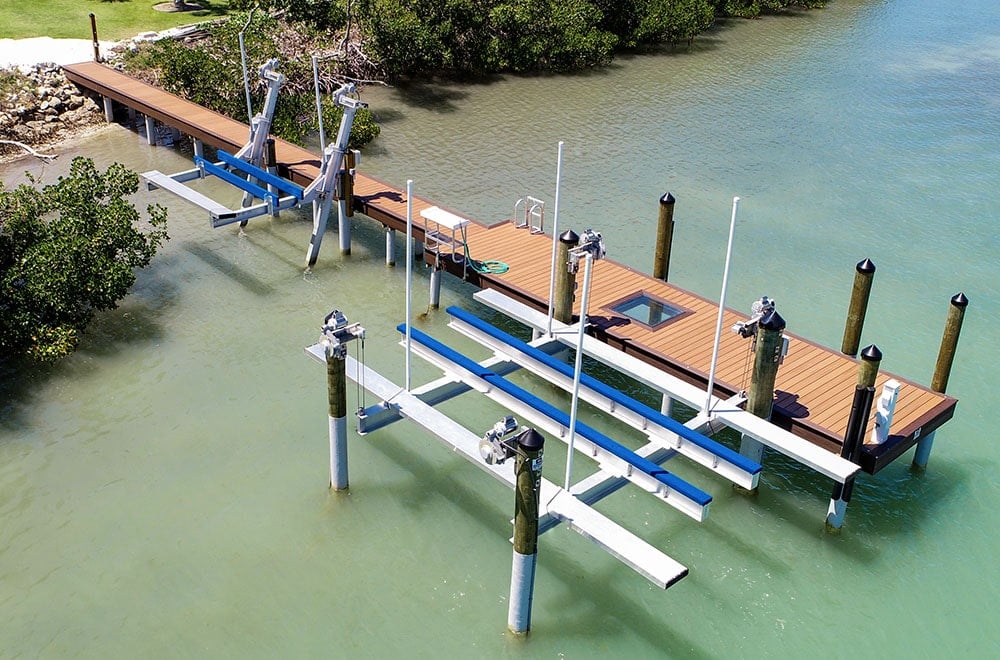
A properly selected boat lift can help keep your vessel elevated and protected from everyday water conditions.
Can Sea Foam Affect Docks and Seawalls?
Sea foam may accumulate around dock pilings and along seawall surfaces, sometimes leaving temporary residue or discoloration.
Surface staining doesn't necessarily indicate structural damage. However, seawalls and docks are exposed to environmental conditions that can cause problems over time.
Some common concerns include:
- Saltwater corrosion: Metal fasteners, connections, and other exposed components can deteriorate.
- Wave action: Repeated wave forces can place stress on docks and seawalls.
- Erosion: Moving water can wash away soil around or behind a seawall.
- Storm damage: High water levels and floating debris can damage waterfront structures.
For example, discoloration along a seawall may only be a surface issue. Cracks, bowing, exposed reinforcement, or soil loss behind the wall, however, may indicate a more serious problem.
If you notice these signs, having the structure evaluated can help determine whether repairs or replacement may be necessary.
Properly constructed seawalls help protect shorelines from erosion and the effects of wave activity.
What Should You Do if Sea Foam Collects Around Your Property?
If sea foam collects around your boat, dock, or seawall, start by checking the surrounding water conditions. When there are no signs of contamination, routine cleaning and maintenance may be all that's needed.
A few steps to take include:
- Check for warning signs. If you notice unusual water conditions or suspect contamination, avoid contact with the foam.
- Review local advisories. Check water-quality reports if you suspect red tide or another harmful algal bloom.
- Allow natural foam to dissipate. When conditions are normal, sea foam will often break apart or disperse without requiring intervention.
- Check for remaining residue. Once conditions are safe, look for buildup on exposed boat surfaces or waterfront structures.
- Contact a professional if you notice structural concerns. Cracking, erosion, or damaged components should be evaluated separately from foam accumulation.
After a storm, it's also a good idea to inspect your dock for loose boards, damaged pilings, or compromised hardware. Regular inspections and maintenance can help extend the life of your dock.
Frequently Asked Questions About Sea Foam
What is ocean spume?
Ocean spume is another term for natural sea foam, particularly foam produced by wind and waves along the coast. It can collect near beaches, boats, and shoreline structures.
What is sea foam made of?
Sea foam contains seawater, air bubbles, and organic substances such as proteins and fats from marine organisms. Its composition varies depending on local water conditions.
Does sea foam occur in Florida canals and waterways?
Yes. Sea foam can form or accumulate in Florida's coastal canals, bays, and connected waterways. Foam in these areas isn't necessarily harmful, but unusual conditions may warrant checking local water-quality reports.
Can sea foam collect around boat lifts?
Yes. Sea foam can gather around boat lift pilings and components near the waterline, especially during windy conditions. The foam itself is typically harmless to the equipment, but it's important to keep exposed components clean and inspect them regularly.
How long does natural sea foam last?
Some sea foam disappears quickly as the bubbles break apart. Other accumulations may remain longer, particularly in sheltered areas or when wind and water conditions continue to produce foam.
Protect Your Waterfront Property With Duncan Seawall
Protecting your waterfront property starts with properly constructed and maintained marine structures. Duncan Seawall provides seawall construction, custom docks, boat lifts, and other marine construction services throughout Southwest Florida.
Whether you're planning a new seawall, dock, or boat lift or have concerns about an existing structure, our team can help you determine the right solution for your property.
Contact Duncan Seawall today to discuss your waterfront property and marine construction needs.