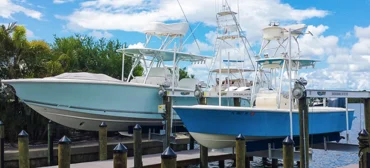



A well-maintained dock can be an important part of enjoying your waterfront property, but docks are constantly exposed to sun, saltwater, storms, boat traffic, and changing water levels.
Regular inspections, routine maintenance, and timely repairs can help extend the life of your dock and protect your investment.
Whether your dock is made of wood, composite, or another material, a little preventative care can go a long way. Knowing what to look for, keeping your dock clean, protecting it from everyday wear, and addressing problems when they arise can all help keep your dock in good condition for years to come.
Here are four things you can do to help extend the life of your dock.
Related Blog: Quick Guide to Florida Dock Permits: What You Need to Know
Inspect Your Dock Regularly
Before you can effectively extend the life of your dock, you need to know what condition it is in. Regular inspections can help you catch signs of wear or damage before they turn into larger problems.
Take a close look at your decking, pilings, hardware, and other parts of the dock. Some of the things to watch for include:
- Decking damage: Look for wood rot, cracks, splitting, loose boards, or other signs that the decking is deteriorating.
- Loose or damaged components: Check pilings, hardware, and other structural parts of the dock to make sure they remain secure.
- Corrosion: Look for rust or corrosion on metal hardware, especially components that are regularly exposed to saltwater.
- Worn accessories: Check rub rails, bumpers, cleats, and other dock accessories for damage or excessive wear.
- Erosion: Look for changes around the dock that could affect the surrounding area or structure.
- Storm damage: After a major storm, check for damage from high winds, waves, storm surge, or floating debris.
Some problems are easy to spot, while others may not be as obvious. A professional inspection can help identify issues that may be difficult to see during a routine visual check.
It is especially important to take a look at your dock after a major storm or high-water event. Catching a problem early can give you more time to determine what needs to be done before the damage gets worse.
Keep Your Dock Clean and Free of Debris
Regular cleaning is another simple way to take care of your dock. Dirt, leaves, algae, marine growth, and other debris can build up over time, especially in Southwest Florida's coastal environment.
Keeping your dock clean can also make it easier to notice changes in its condition. When cleaning your dock, consider the material and use products and methods that are appropriate for it.
A few things to keep in mind include:
- Remove debris regularly: Clear leaves, dirt, and other debris before they have a chance to build up.
- Choose the right cleaner: Use cleaning products that are appropriate for your decking material and safe for the surrounding environment.
- Clean stains promptly: Remove oil and other stains rather than allowing them to sit on the surface.
- Use pressure washers carefully: Too much pressure can damage some decking materials, particularly wood.
- Follow manufacturer recommendations: Composite and other specialty decking materials may have specific cleaning requirements.
If you use a pressure washer, be careful about the amount of pressure you apply and how close you hold the nozzle to the surface. Using too much pressure can damage the decking instead of helping to maintain it.
Keeping your dock clean can help it look its best, but it also serves another purpose. A clean surface makes it easier to spot loose boards, damaged areas, stains, and other changes that may need attention.
Protect Your Dock From Everyday Wear and Weather
Your dock is exposed to the elements every day. Sun, saltwater, moisture, boat traffic, and storms can all contribute to normal wear over time.
You can help protect your dock by adding accessories that reduce the amount of direct contact and impact it experiences. Depending on your dock and how you use it, these may include:
- Rub rails: Help protect the edges of your dock from repeated contact with boats.
- Dock bumpers: Provide cushioning between your boat and the dock when coming alongside.
- Boat fenders: Help reduce contact between your boat and the dock while docking.
- Pile caps: Help protect exposed pilings from weather and other conditions.
- Dock cleats: Provide secure points for tying up your boat when properly installed and maintained.
- Marine-grade hardware: Hardware designed for waterfront environments can provide added durability in areas exposed to saltwater.
Protecting the areas that experience the most contact can help reduce unnecessary wear on your dock.
The materials used on your dock also make a difference. Pressure-treated wood, composite decking, corrosion-resistant hardware, and other marine-grade materials can be selected based on the conditions of your property and how you use your dock.
Wood decking may also require additional care, such as staining or sealing. If your dock requires this type of maintenance, follow the recommendations for the specific wood and finish. Proper maintenance can help protect the surface from moisture and weather exposure.
Address Dock Repairs Before They Become Bigger Problems
Regular inspections and maintenance can help you find problems, but they cannot prevent every issue. When you notice damage, have it evaluated rather than allowing the problem to worsen. A loose board, damaged piling, corroded component, or other issue can become more serious with continued exposure to saltwater, weather, and boat traffic.
Depending on the condition of your dock, repairs may include:
- Replacing damaged decking: Individual boards or sections may need to be replaced when they become damaged or deteriorated.
- Repairing hardware: Loose, corroded, or damaged hardware may need to be repaired or replaced.
- Addressing damaged pilings: Damaged or deteriorating pilings can affect the stability and safety of your dock.
- Repairing storm damage: Severe weather can cause damage that should be evaluated and addressed before you continue using the dock.
- Looking at recurring problems: If the same areas continue to require repairs, there may be a larger issue that needs to be evaluated.
The age and overall condition of your dock are also worth considering. If you are noticing problems in several areas or repeatedly repairing the same components, a professional can help you determine whether continued repairs make sense or whether another solution should be considered.
If you are unsure whether a crack, loose component, damaged piling, corrosion, or another change requires attention, have it evaluated by a marine construction professional. A professional can help you understand the condition of your dock and determine what repairs may be appropriate.
If you notice damage or other issues with your dock, boat lift, or related waterfront structures, you can also submit a service repair request to Duncan Seawall.
Frequently Asked Questions About Dock Maintenance
How can I extend the life of my dock?
The best ways to extend the life of your dock are to inspect it regularly, keep it clean, protect it from everyday wear, and address damage when it occurs. Professional inspections and appropriate repairs can also help keep your dock in good condition.
How often should I inspect my dock?
You should visually inspect your dock regularly and check it after major storms or severe weather. The need for professional inspections will depend on the dock's age, materials, condition, location, and exposure to weather and saltwater.
What can damage a dock?
Docks can be affected by saltwater, sunlight, moisture, storms, changing water levels, marine growth, boat impact, corrosion, and normal wear and tear. The type and severity of damage will depend on the dock's materials, construction, location, and exposure to the elements.
How do I protect my dock from boat impact?
Rub rails, dock bumpers, and boat fenders can help reduce contact between your boat and dock while docking. The right accessories depend on your dock and how you use it.
When should I repair my dock?
Have your dock evaluated when you notice damaged or loose boards, cracks, rot, corrosion, damaged pilings, loose hardware, or other changes in its condition. A professional can help determine the extent of the problem and what type of repair may be appropriate.
Should I repair or replace my dock?
The right choice depends on the dock's age, materials, structural condition, and the extent of the damage. If you are experiencing repeated problems or significant deterioration, a professional evaluation can help determine whether repairing the existing dock or considering a larger replacement project makes the most sense.
Can a professional inspect my dock?
Yes. A professional dock inspection can help identify structural concerns and other problems that may not be obvious during a routine visual inspection. Duncan Seawall provides dock and pile inspections, along with marine construction and repair services throughout Southwest Florida.
Protect Your Dock and Enjoy Your Waterfront Property
Your dock is an important part of your waterfront property, and taking care of it can help you get more from your investment. Regular inspections, routine maintenance, protection from everyday wear, and timely repairs can all help extend the life of your dock.
Duncan Seawall specializes in custom docks, boat lifts, seawalls, and marine construction services throughout Southwest Florida. Whether you need to maintain an existing dock, address damage, or explore options for improving your waterfront property, our team can help.
Contact Duncan Seawall today to discuss your dock and learn more about how we can help protect your waterfront property.