

Building a dock in Florida is an exciting investment that can improve waterfront access, boating convenience, and overall property value. However, before construction begins, waterfront property owners must navigate Florida’s dock permitting process — a step that can quickly become confusing without the right guidance.
Between state regulations, local building requirements, environmental protections, and waterfront zoning rules, understanding which permits apply to your project is essential for avoiding delays, fines, or costly redesigns. Whether you’re planning a small residential dock or a larger marine construction project, knowing how Florida dock permits work can help your project move forward more smoothly.
This guide breaks down the basics of Florida dock permits, including common permit types, exemptions, environmental considerations, and what waterfront property owners should know before starting construction.
Do You Need a Dock Permit in Florida?
In most cases, yes. The Florida Department of Environmental Protection (DEP) and local regulatory agencies oversee dock construction to protect waterways, marine life, and coastal ecosystems. Whether you need a permit depends on factors such as dock size, location, and potential environmental impact.
However, some small docks may be exempt from state permitting if they meet specific criteria.
Permit Exemptions for Small Docks
Florida law allows certain small-scale dock projects to proceed without a permit if they:
- Are for private residential use
- Extend no more than 500 square feet over the water (or 1,000 square feet in designated areas with reduced environmental sensitivity)
- Do not obstruct navigation or damage seagrass beds, mangroves, or protected marine life
- Are not located in Outstanding Florida Waters (which have stricter environmental protections)
Even if a state permit isn’t required, local counties or municipalities may have additional permitting requirements. Always check with your county’s environmental agency or building department.
Types of Dock Permits in Florida
If your dock doesn’t qualify for an exemption, you’ll likely need one of the following permit types:
1. General Permits
General permits apply to low-impact dock projects that meet specific DEP criteria. They involve a simplified review process compared to individual permits.
Common requirements include:
- Limited dock size and length restrictions
- Environmentally friendly materials
- Proper setbacks from neighboring properties
2. Individual Permits
For larger docks or those in environmentally sensitive areas, an individual permit is required. These permits involve a detailed application and review process, often requiring:
- Environmental impact assessments
- Engineering drawings
- Public notice or comment periods
Processing times vary, but individual permits generally take longer than general permits due to increased scrutiny.
How to Apply for a Dock Permit in Florida
The permit application process typically involves three key steps:
-
Determine Local Requirements
Contact your county’s environmental agency or building department to confirm specific zoning laws, dock regulations, and additional permits needed (e.g., from the Florida Fish and Wildlife Conservation Commission or U.S. Army Corps of Engineers). -
Submit Your Application
- Prepare necessary documents, including dock plans, property ownership proof, and environmental impact assessments.
- Submit your application through Florida’s DEP website or the appropriate local agency.
-
Await Approval & Compliance Check
- Processing times vary: General permits may be approved within weeks, while individual permits can take several months.
- Once approved, you must adhere to the permit’s conditions during construction.
Common Dock Permitting Mistakes to Avoid
To prevent delays or permit denials, avoid these common mistakes:
- Failing to check local regulations – State approval doesn’t mean you’re in the clear; local and county restrictions still apply.
- Incorrect dock size or location – Building a dock too large or in a restricted area can result in fines and removal orders.
- Not considering environmental impact – Docks affecting seagrass beds, wetlands, or protected species may face stricter regulations.
- Skipping required approvals – Some locations require additional permits from federal or state agencies.
FAQs
Do all docks in Florida require permits?
Most dock construction projects in Florida require some form of permitting approval. However, certain small residential docks may qualify for exemptions depending on the location, size, and environmental impact of the project.
What permits are needed to build a dock in Florida?
Dock projects may require permits from local municipalities, county agencies, the Florida Department of Environmental Protection (DEP), or the U.S. Army Corps of Engineers depending on the scope and location of the project.
How long does it take to get a dock permit in Florida?
Permit timelines vary based on the complexity of the project and the agencies involved. Some residential permits may take only a few weeks, while larger or environmentally sensitive projects can take several months.
What happens if I build a dock without permits?
Unpermitted dock construction can result in fines, stop-work orders, required removal of the structure, or delays when selling the property. Proper permitting helps protect both your investment and compliance with Florida regulations.
Can a marine contractor help with the permitting process?
Yes. Experienced marine contractors often assist property owners with permit applications, site evaluations, project planning, and coordination with permitting agencies to help streamline the process.
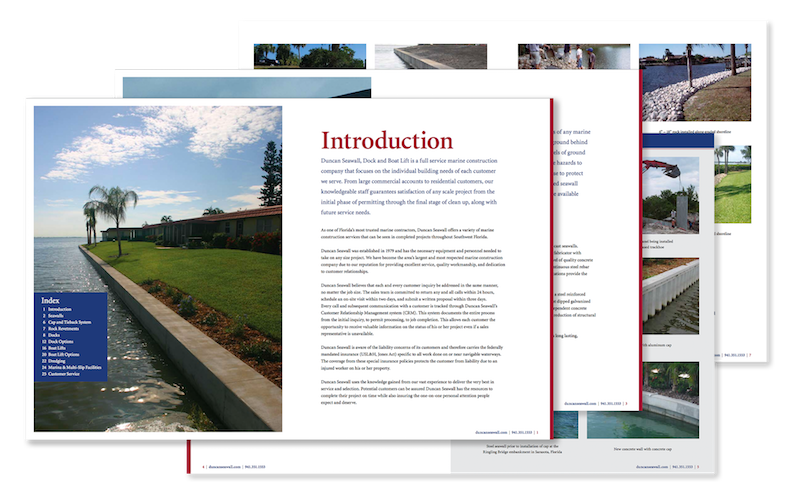
At Duncan Seawall, we don't just offer advice, we guide you through the entire process. After 40 years of building docks and constructing seawalls all over Sarasota and the surrounding counties, we can ensure your dock permitting process is as simple as possible. Download our complete guide to permits to take the first step towards building your dream dock today!