

The 2026 hurricane season is approaching, and for waterfront property owners, preparation should begin long before a storm appears on the radar. While seasonal forecasts can provide insight into expected storm activity, the reality is that even one major storm can create significant challenges for coastal properties.
For Florida homeowners living along the coast, preparing waterfront structures before hurricane season is an important part of maintaining a safe, functional, and resilient property. From storm surge and wave action to erosion and structural stress, hurricanes can impact seawalls, docks, boat lifts, and other waterfront features.
Taking the time to inspect and maintain these structures before severe weather arrives can help identify potential concerns early and support the long-term stability of your waterfront investment.
Hurricane preparation is not just about responding to storms. It is about maintaining your waterfront property year-round so it is ready when conditions change.
For coastal homeowners, understanding the risks associated with hurricane season and knowing what steps to take before and after a storm can make a meaningful difference.
What Does the 2026 Hurricane Season Mean for Coastal Communities?
Each hurricane season brings new forecasts, predictions, and discussions about expected storm activity. While these outlooks can help communities prepare, they do not determine whether an individual property will experience storm-related damage.
The most important factor for waterfront homeowners is being prepared regardless of the forecast.
Hurricane conditions are influenced by several factors, including:
- Ocean temperatures: Warmer waters can contribute to storm development and intensity.
- Atmospheric conditions: Wind patterns and pressure systems influence how storms form and move.
- Seasonal climate patterns: Larger weather patterns can impact overall hurricane activity.
For coastal property owners, preparation should focus less on whether the season is expected to be above or below average and more on ensuring waterfront structures are properly maintained.
A well-maintained seawall, dock, and boat lift can help support your property through changing weather conditions and reduce the risk of preventable issues.
Why Hurricane Preparation Matters for Waterfront Properties
Waterfront properties experience unique challenges during hurricanes. Unlike inland properties, coastal homes and structures are directly exposed to storm surge, wave action, flooding, and erosion.
The areas surrounding your waterfront property often experience some of the greatest stress during severe weather events.
Common hurricane-related risks for waterfront properties include:
- Shoreline erosion: Strong waves and storm surge can remove soil along the shoreline, potentially affecting the stability of waterfront areas.
- Seawall stress: Existing cracks, shifting, or deterioration can become more serious when exposed to extreme conditions.
- Dock and boat lift damage: Loose components, debris, and strong winds can impact marine structures.
- Flooding concerns: Rising water levels can affect surrounding areas, drainage systems, and access points.
Because waterfront structures are designed to withstand constant exposure to water and changing conditions, regular inspections are an important part of responsible ownership.
How Can Waterfront Homeowners Prepare Before Hurricane Season?
Preparing your property before a hurricane is one of the best ways to identify concerns early and address them before they become larger issues.
Inspect Your Seawall and Shoreline
Your seawall plays an important role in helping stabilize your shoreline and reduce erosion. Before hurricane season, homeowners should take time to look for signs that a seawall may need attention.
Signs your seawall may need inspection include:
- Visible cracks or gaps
- Leaning or shifting sections
- Areas of erosion near the structure
- Soil loss behind or around the seawall
- Changes in the shoreline appearance
Addressing small concerns before hurricane conditions arrive can help prevent more extensive repairs later.
A professional evaluation can help determine whether your seawall is functioning properly or if repairs or maintenance may be needed.
Check Your Dock and Boat Lift Components
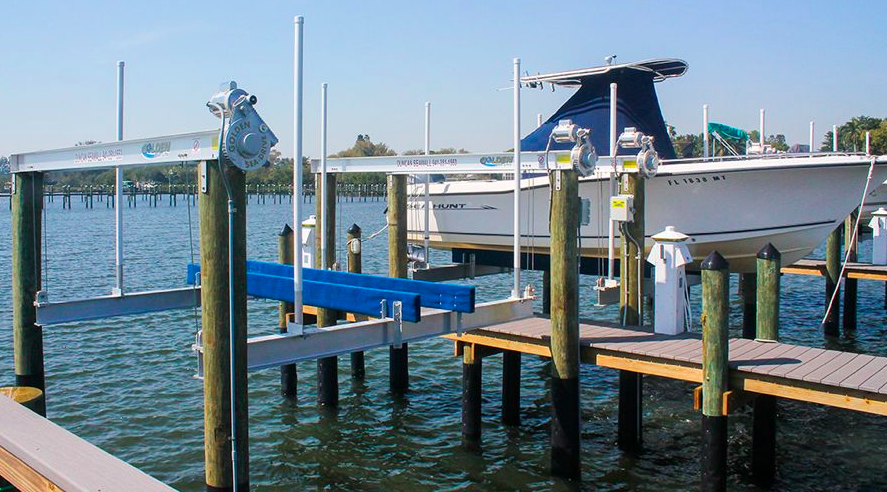
Docks and boat lifts are exposed to year-round environmental conditions, making routine maintenance important before storm season begins.
Before a hurricane approaches, homeowners should inspect:
- Boat lift components: Check cables, motors, hardware, and overall operation.
- Dock connections: Look for loose fasteners, damaged materials, or areas that may need reinforcement.
- Structural stability: Make sure docks and related structures are secure and functioning properly.
It is also important to secure loose items around your waterfront area. Furniture, equipment, and other unsecured objects can become hazards during strong winds or storm conditions.
Review Drainage and Flood Risks
Water management is another important part of hurricane preparation. Heavy rainfall and storm surge can create additional pressure on waterfront properties.
Homeowners should:
- Confirm drainage areas are clear
- Remove debris that may block water flow
- Understand areas where flooding may occur
- Review any previous storm-related concerns
Knowing how your property responds to heavy weather conditions can help you make informed decisions before a storm arrives.
What Should Waterfront Property Owners Check After a Hurricane?
Once a hurricane has passed, it is important to carefully evaluate your waterfront property before returning to normal use.
Post-storm inspections can help identify damage early and prevent small issues from becoming larger problems.
After a storm, homeowners should check for:
- Seawall changes: Look for new cracks, movement, leaning, or shoreline erosion.
- Dock damage: Inspect for instability, loose components, or structural concerns.
- Boat lift issues: Confirm that the system is operating safely before using it.
- Shoreline changes: Look for areas where soil may have shifted or washed away.
While some damage may be easy to spot, other issues can develop beneath the surface or worsen over time. If there are concerns about your seawall, dock, or other waterfront structures, a professional inspection can help determine the appropriate next steps.
How Do Seawalls Help Protect Waterfront Properties During Hurricane Season?
Seawalls are an important part of many waterfront properties because they help manage shoreline erosion and provide structural support along the water’s edge.
While no structure can completely prevent hurricane damage, a properly designed and maintained seawall can help support shoreline stability and protect against ongoing erosion.
A seawall can help:
- Reduce shoreline erosion caused by wave action
- Support the stability of waterfront areas
- Preserve access to docks and marine structures
- Maintain the long-term usability of your waterfront property
The effectiveness of a seawall depends on factors such as design, installation quality, materials, and ongoing maintenance. Regular inspections allow homeowners to address concerns before they become more significant.
Why Waterfront Maintenance Matters Beyond Hurricane Season
Hurricane preparation should not be a once-a-year task. Waterfront properties are continuously exposed to water, weather, and environmental conditions that can impact their structures over time.
Routine maintenance helps homeowners stay ahead of potential issues and extend the life of their waterfront investments.
By regularly inspecting seawalls, docks, and boat lifts, homeowners can better understand the condition of their property and address maintenance needs proactively.
Preparing for hurricane season is an important part of responsible waterfront ownership, but maintaining your property throughout the year provides the strongest foundation for long-term performance.
Frequently Asked Questions About the 2026 Hurricane Season and Waterfront Protection
What is the 2026 hurricane season expected to look like?
Seasonal forecasts provide insight into expected hurricane activity, but they cannot predict exactly which areas will experience storms or how severe individual storms may be. For waterfront homeowners, the best approach is to prepare every season by maintaining important structures and addressing potential concerns early.
When is hurricane season in Florida?
The Atlantic hurricane season officially runs from June 1 through November 30 each year. However, storms can develop outside of these dates, which is why ongoing waterfront maintenance is important.
How can I prepare my waterfront property for hurricane season?
Waterfront preparation should include inspecting your seawall, checking dock and boat lift components, reviewing drainage areas, and securing loose items that could become hazards during severe weather.
Can a seawall prevent hurricane damage?
A seawall cannot prevent all hurricane-related damage, but a properly designed and maintained seawall can help reduce erosion, support shoreline stability, and protect waterfront areas from ongoing environmental stress.
How often should a seawall be inspected?
The frequency of seawall inspections depends on factors such as the age of the structure, environmental conditions, and any previous concerns. Regular evaluations can help identify potential issues before they require more extensive repairs.
What should I check on my boat lift before hurricane season?
Before hurricane season, homeowners should inspect boat lift cables, motors, hardware, connections, and overall functionality. Addressing maintenance concerns early can help ensure the system is ready for changing weather conditions.
Protect Your Waterfront Property Before the Next Storm
Hurricane preparation starts with understanding your property and identifying potential concerns before severe weather arrives. From seawalls and docks to boat lifts and shoreline stability, regular maintenance can help support the long-term performance of your waterfront investment.
Duncan Seawall provides expert waterfront construction, repair, and maintenance services designed to help property owners maintain safe, functional waterfront spaces. Contact our team to discuss your seawall, dock, or waterfront needs before the next storm season arrives.